

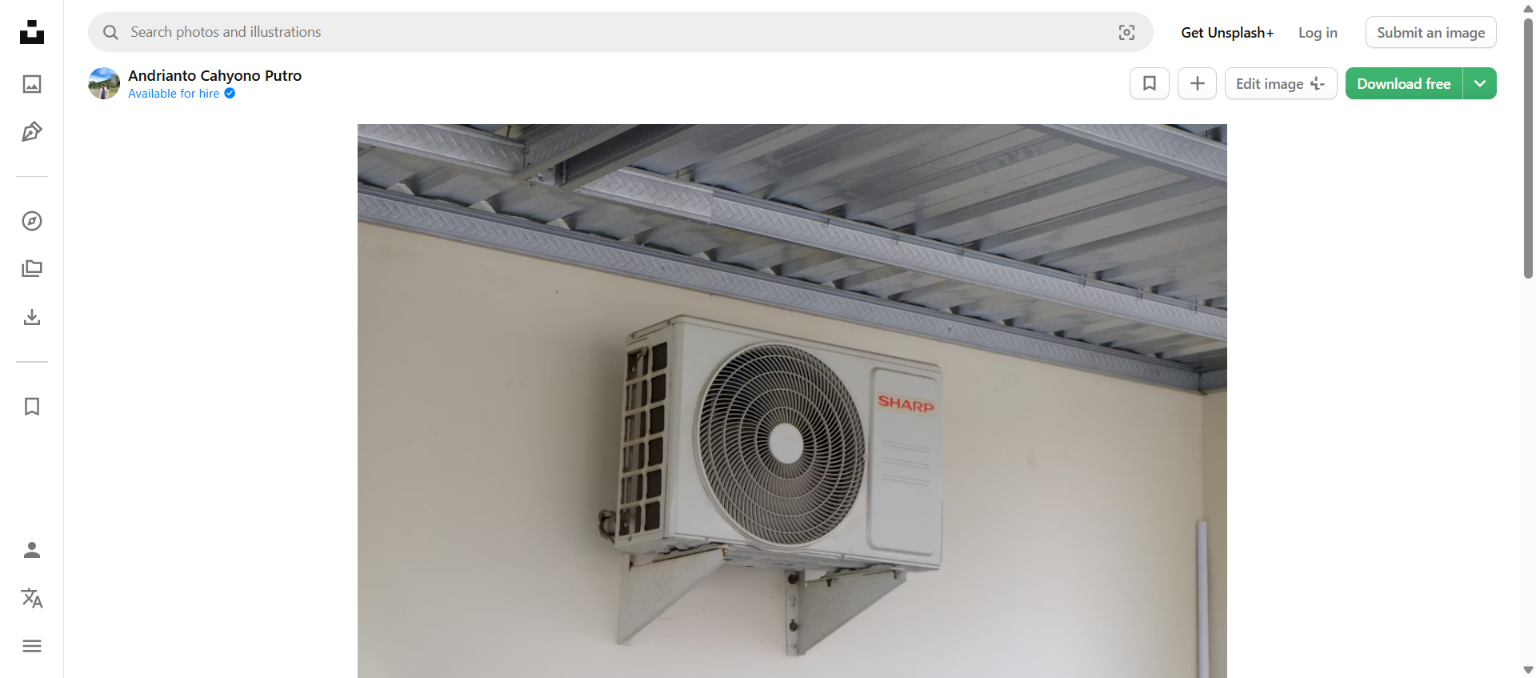
It sounds like a bad joke: your air conditioner has turned into a block of ice in the middle of a Texas summer. But a frozen AC is one of the most common service calls we get in DFW — and it happens precisely when you need your system the most. The good news is that one of the most common causes is something you can fix yourself in about ten minutes. Others do require a technician. Here’s how to tell the difference.
Why an AC Freezes in the First Place
Your air conditioner has an evaporator coil — usually located in the indoor air handler — that gets very cold as refrigerant runs through it. For that coil to work correctly, it needs a steady flow of warm air moving across it at all times. That airflow is what prevents the coil from dropping below freezing.
When that airflow gets restricted, or when refrigerant levels are off, the coil temperature drops below 32°F and moisture in the air starts to freeze on it. Once ice starts building up, it blocks even more airflow — and the problem compounds quickly. Left alone, you can end up with a system that’s completely iced over and not moving any air at all.
The Most Common Causes of a Frozen AC
1. Dirty or Clogged Air Filter
This is the number one cause of AC freeze-ups, by a wide margin. A clogged filter chokes off airflow to the coil, and that’s all it takes. Before you do anything else, go check your filter. If it’s gray, matted, or visibly clogged, that’s likely your culprit. Replace it, switch your system to fan-only mode for 2–3 hours to let the ice thaw, then restart and see if the problem comes back.
2. Low Refrigerant (Refrigerant Leak)
Refrigerant doesn’t get “used up” like gasoline. If your system is low on refrigerant, that means there’s a leak somewhere in the system. Low refrigerant causes the pressure inside the coil to drop, which causes temperatures to fall well below freezing. This is not a DIY fix — it requires a licensed technician to locate the leak, repair it, and recharge the system. Running your AC while it’s low on refrigerant can damage the compressor over time.
3. Blocked or Closed Vents
A lot of homeowners close the supply vents in rooms they’re not using, thinking it saves energy. It doesn’t — and it can actually cause your coil to freeze. Your system is sized to move a certain volume of air. When you close vents, you reduce that airflow below the minimum the coil needs to stay above freezing. Make sure all your supply and return vents are open and unobstructed by furniture, rugs, or curtains.
4. Dirty Evaporator Coil
Even with a clean filter, dust and debris gradually build up on the evaporator coil itself. Over several years without maintenance, that layer of buildup insulates the coil and restricts heat transfer — which has the same effect as restricted airflow. Annual maintenance includes cleaning the coil, which is one of the main reasons skipping tune-ups for a few years in a row tends to catch up with you in the form of a summer breakdown.
5. Blower Motor Issues
The blower motor is what pushes air across the evaporator coil. If the motor is failing, running at reduced speed, or if the blower wheel is clogged with debris, airflow drops even if the filter is clean. This one requires a technician to properly diagnose — there’s no easy homeowner test for it. But if you’ve replaced your filter and thawed the system and it freezes again, a failing blower is worth having a tech check.
What to Do When You Find Ice on Your System
If you walk over to your air handler and find ice on it, here’s the step-by-step:
- Turn the thermostat fully to OFF — not just fan mode, but completely off. You need to stop the cooling cycle.
- Switch the fan setting to ON so the blower continues running. This blows warm air across the coil and speeds up the thawing process significantly.
- Check and replace your air filter. If it’s clogged, this is likely your problem — swap it out now.
- Wait 2–4 hours. Let the ice melt completely on its own. Do not try to chip or scrape the ice off — you can damage the coil fins, which are fragile.
- Restart the system and monitor it for the next hour or two. If it’s cooling normally and you don’t see ice reforming, a clogged filter was probably the culprit.
- If it freezes again within a day, call a technician. You likely have a refrigerant issue, a dirty coil, or a mechanical problem — none of which are DIY fixes.
When to Call a Pro
If replacing the filter and thawing the system doesn’t solve it — or if the system refreezes within a day — stop running it and call a technician. Continuing to run a system that keeps freezing puts real stress on the compressor, which is the most expensive component in the entire system. A compressor replacement can run $1,500–$2,500 or more depending on the unit. It’s a much cheaper problem if you catch it early.
A technician will be able to check refrigerant pressure, test the blower motor, inspect the coil, and give you a clear answer on what’s actually causing the freeze-up — usually in a single visit.
AC Frozen Up? We Can Help.
AC frozen up and you’re not sure why? We’ll diagnose it and give you a straight answer — no diagnostic fee when you move forward with the repair. Expedition HVAC serves the Dallas–Fort Worth area with salary-based technicians who have no incentive to upsell you on repairs you don’t need.
